









Systems architecture for AI/ML ⇒ Rigorous analysis, upstream governance, and pattern recognition that cuts through complexity.
I do not optimize AI systems. I architect them from upstream causes.
AI/ML Engineer, R&D & Innovation: building systems that work because the architecture was right, not because the implementation was clever.
Most AI failures happen before a line of code is written, at the architecture level, where system boundaries are defined wrong and complexity accumulates silently. I start there.
▶ Mission: ⇒ Systems thinking applied to AI/ML engineering via rigorous analysis, upstream governance, and cross-domain pattern recognition that cuts through complexity
Systems Architecture ▶ Designing from first principles. Identifying leverage points, governing from upstream causes, building for failure modes before they exist
▶ Mathematical Rigor ⇒ Statistical validation, complexity analysis, reproducible methodology. No hand-waving. No "it feels right." Just math
Cross-Domain Synthesis ▶ A decade across fintech, ad-tech, and enterprise SaaS. Pattern recognition across system boundaries that narrow specialists miss
▶ Research-Driven Innovation ⇒ Temporal intelligence, edge AI optimization, agent architecture benchmarking, and novel approaches that advance the field
R&D & Innovation ▶ MS AI/ML | MS CS (in-progress, CU Boulder) | 10+ years production engineering
▶ Temporal Intelligence ⇒ Analyzing AI/ML systems and code evolution patterns across time. Applying chaos theory and phase-space analysis to expose behavior static snapshots miss.
Edge AI Performance Optimization ▶ Power-performance analysis, CUDA optimization, and hardware efficiency validation on constrained hardware.
▶ AI Agent Architecture ⇒ Mathematical benchmarking that exposes the gap between real autonomous systems and LLM wrappers marketed as agents.
Temporal Rhythm Intelligence ▶ Cross-domain application of systems thinking: chaos theory and temporal pattern analysis applied to electronic music structure.
▶ Neural Network Training & Optimization ⇒ Advanced fine-tuning methodologies, QLoRA implementations, and efficient training pipelines.
Mathematical ML Foundations ▶ Bridging core mathematics with modern AI applications. SVD, linear algebra, probabilistic modeling applied to real systems.
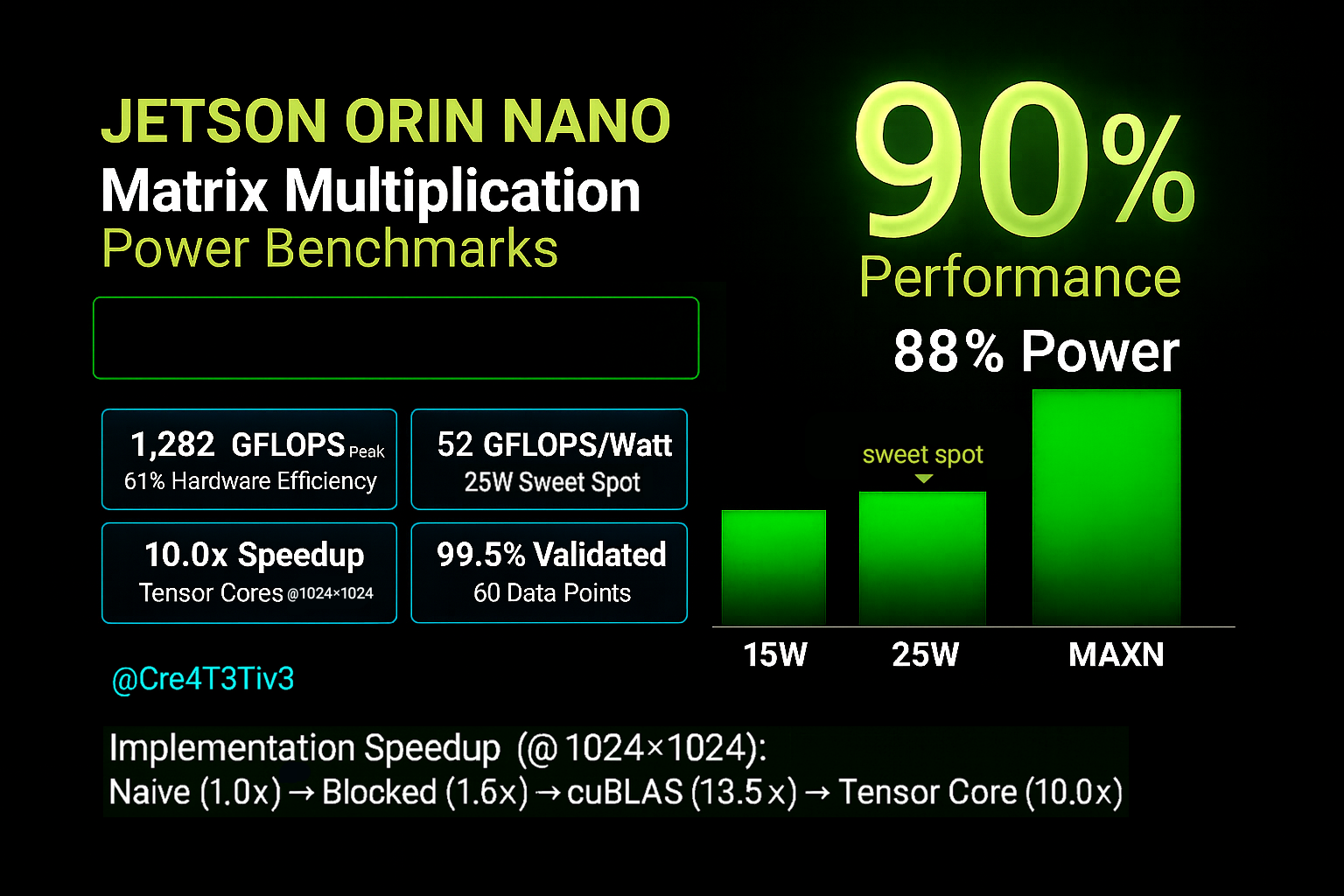
▶ Scientific benchmarking framework exposing power-performance trade-offs in edge AI deployments.
◊ 1,282 GFLOPS peak (61% efficiency) ◊ 25W sweet spot delivers 90% of MAXN at 88% power ◊ 60 data points across 4 implementations
▶ Upstream question: what is the real cost of each power mode? Rigorous CUDA benchmarking with cuBLAS optimization, Tensor Core acceleration, multi-power mode analysis, and automated regression testing.
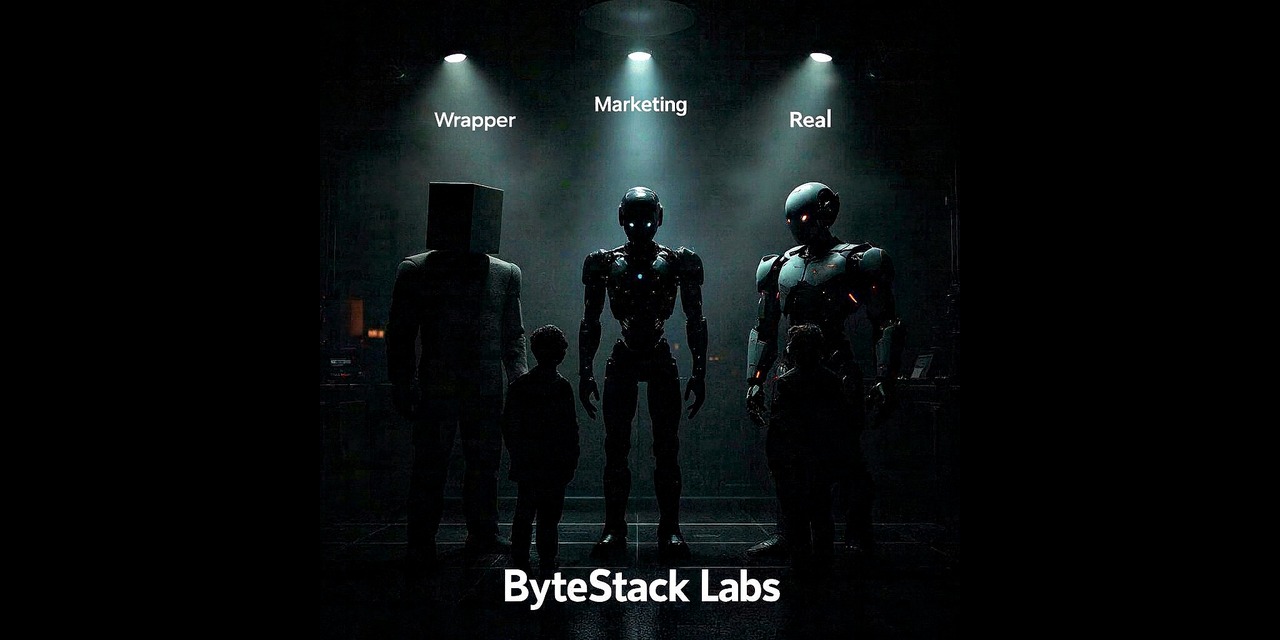
▶ Mathematical benchmark exposing the performance gap between real agents and LLM wrappers.
◊ Rigorous multi-dimensional evaluation ◊ Statistical validation (95% CI, Cohen's h) ◊ Separating theater from real systems
▶ Real agents maintain state, plan under uncertainty, and learn from interaction. This benchmark proves the difference. Stress testing, network resilience, ensemble coordination, and failure analysis with fully reproducible methodology.
▶ Temporal Code Intelligence: predicting quality evolution through mathematical pattern analysis of Git history.
◊ Conversational AI agent ◊ Complexity trend analysis ◊ Decay forecasting ◊ Maintenance burden prediction
▶ Code does not exist. Only code evolution exists. GitVoyant applies temporal intelligence to expose what static analysis misses: how systems degrade, where complexity accumulates, and when intervention is needed before failure.
▶ Experimental framework for multi-agent coordination and collaborative learning architectures.
◊ Agent-based learning systems ◊ Coordination protocols ◊ Emergent behavior analysis
▶ Research platform for advanced agent interactions, training methodologies, and collective intelligence patterns. Built to understand what emerges when agents operate at system boundaries.
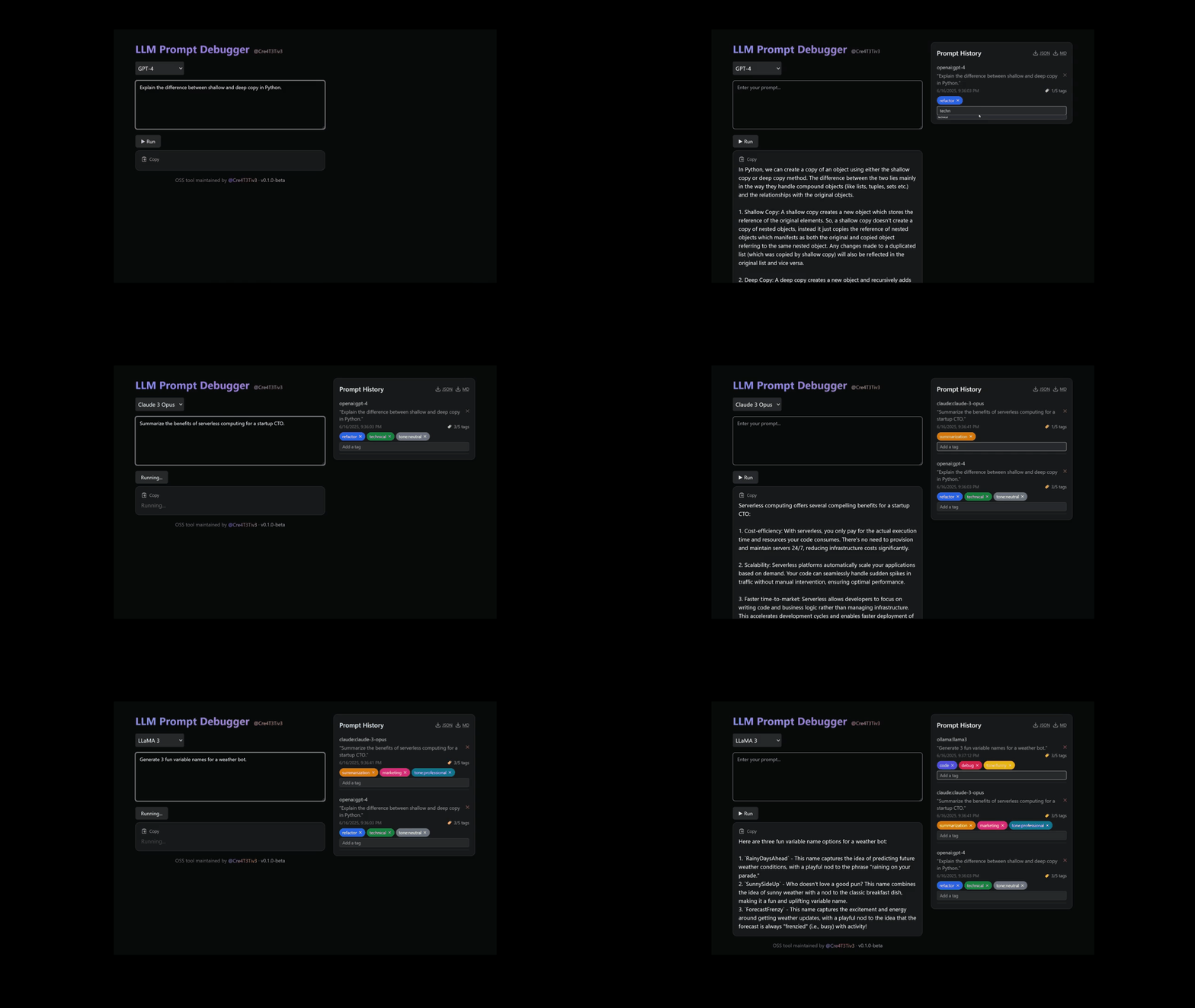
▶ Clean UI for LLM development workflows with prompt versioning and model selection.
◊ Built for engineers, not hype ◊ Streamlined workflow ◊ Multi-provider support
▶ Prompt ⇒ model ⇒ tag ⇒ export.
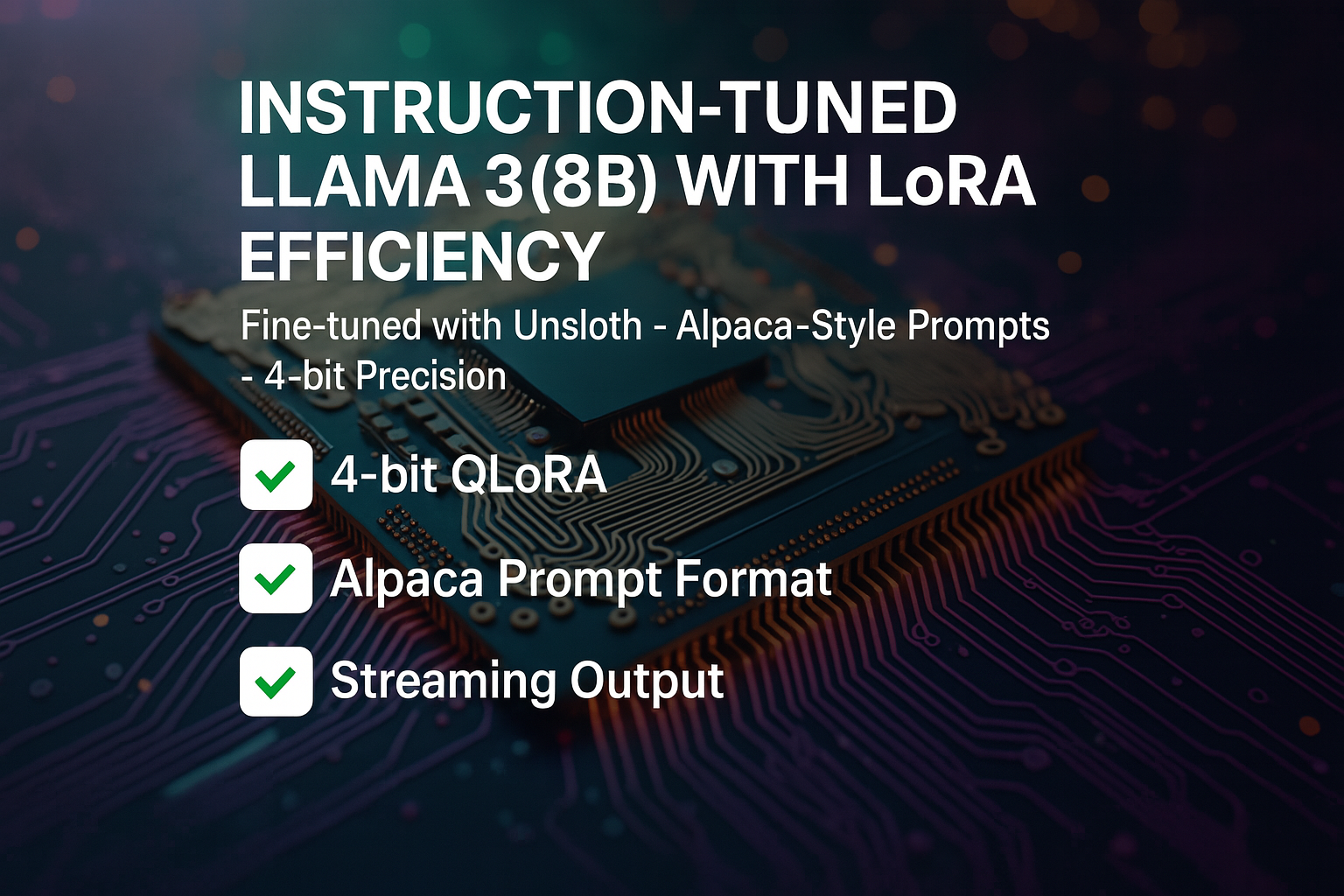
▶ Advanced 4-bit QLoRA fine-tuning pipeline for LLaMA 3 8B with production-grade optimization.
◊ Memory-efficient training ◊ Consumer GPU optimization ◊ Instruction-following specialization
▶ Cutting-edge parameter-efficient fine-tuning with Unsloth integration. Live demo at HF Space.
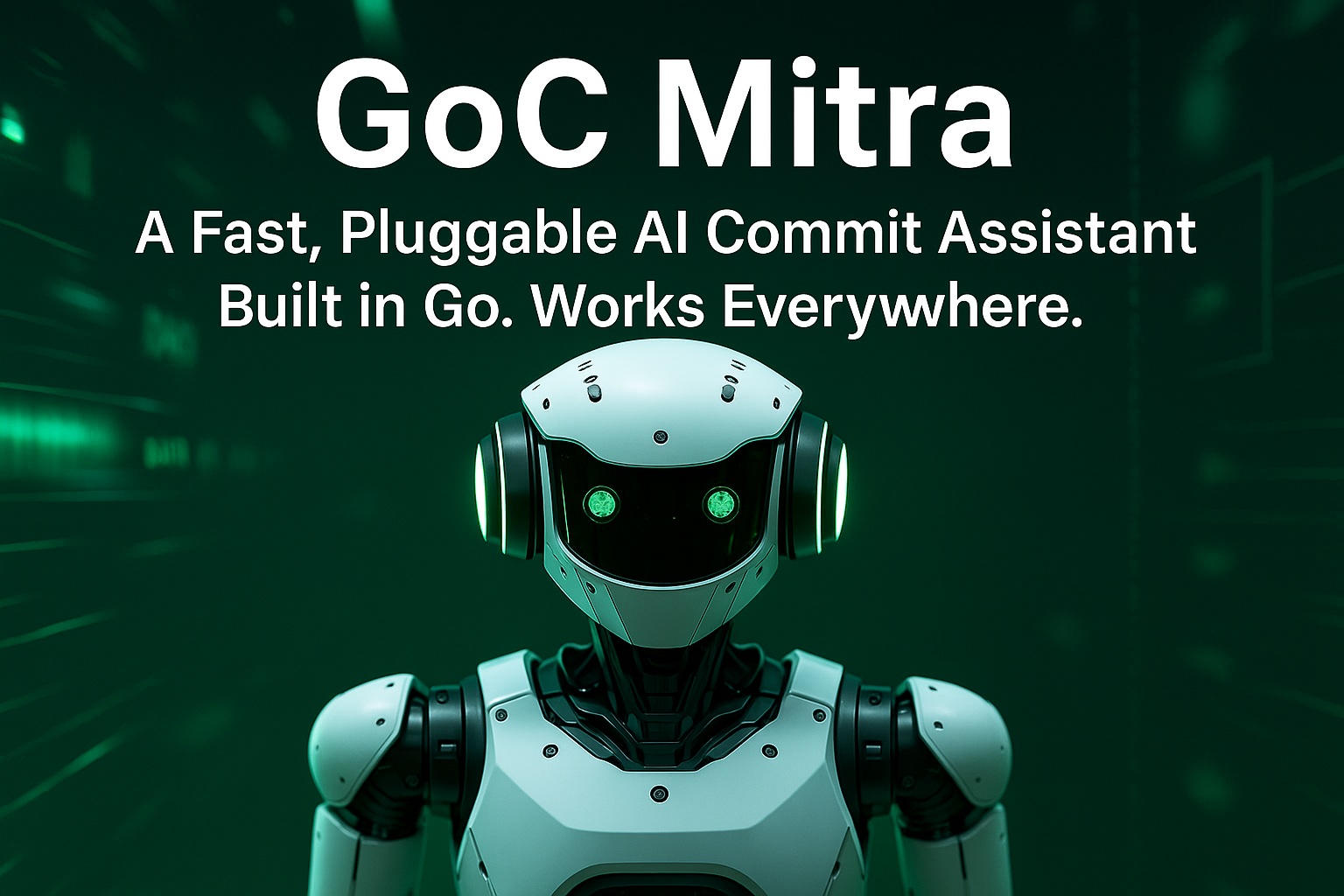
▶ High-performance AI-powered Git commit assistant with pluggable architecture.
◊ Cross-platform compatibility ◊ Zero-dependency binary ◊ Intelligent commit analysis
▶ Written in Go. Built for every stack.
Systems Architecture ⇒ Start from system boundaries, not best practices. Upstream governance prevents downstream failure
▶ Mathematical Rigor ⇒ Statistical validation, complexity analysis, reproducible methodology. No hand-waving
Cross-Domain Synthesis ⇒ Pattern recognition across fintech, ad-tech, AI/ML, and systems research that specialists miss
▶ Temporal Intelligence ⇒ Static analysis misses dynamic behavior. Everything is analyzed across time
Practical Engineering ⇒ Tools solving problems developers actually face, built to production standards
▶ Open Innovation ⇒ Complete transparency, reproducible validation, built in public
In a field full of hype, I build systems backed by math.
▶ Systems architecture ⇒ Mathematical rigor ▶ Cross-domain synthesis ⇒ Upstream governance